




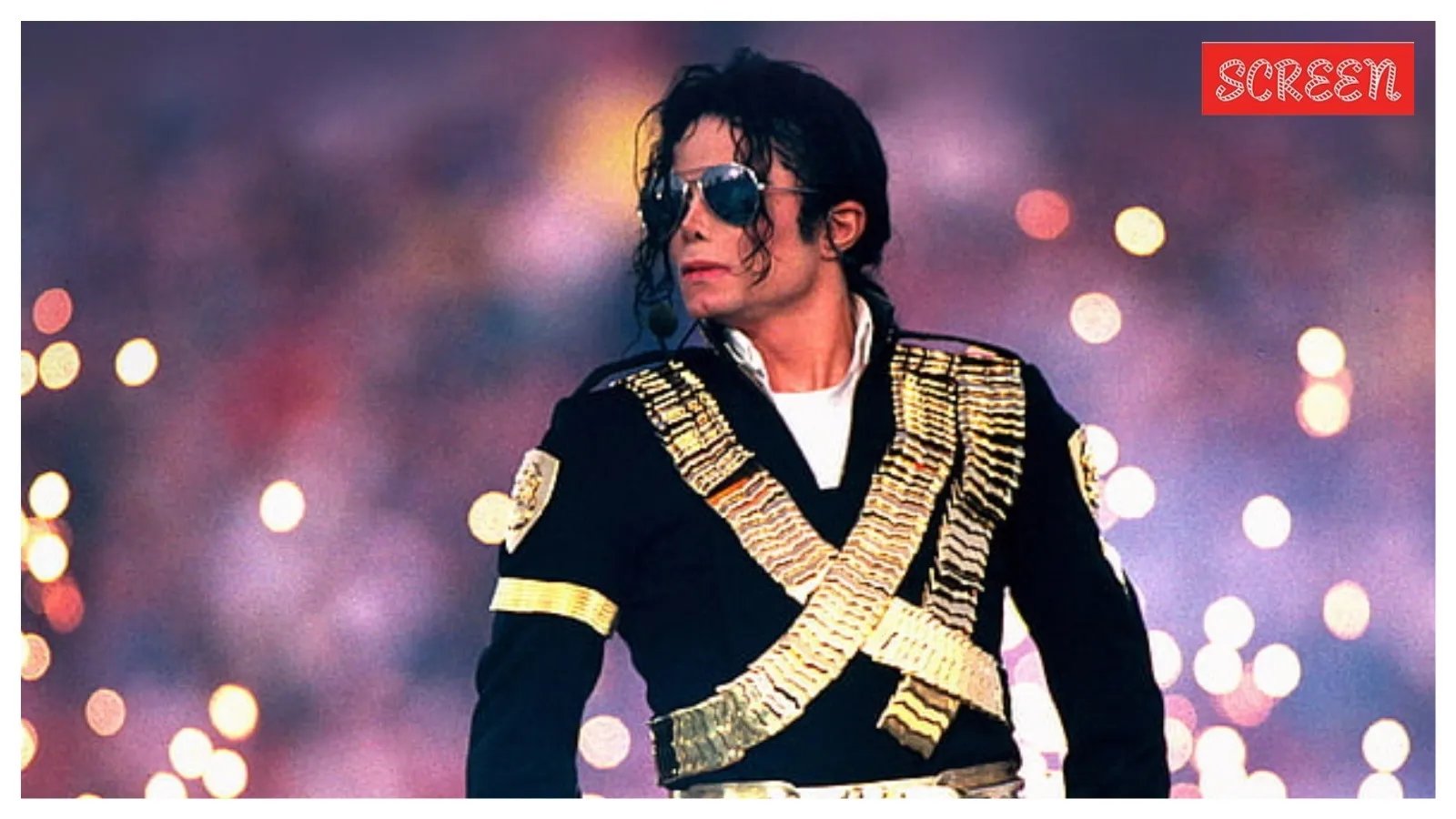
One would imagine Michael Jackson would be swimming in money when he died of drug overdose in 2009. But the reality tells a different story. The King of Pop was, in fact, in great financial peril, thanks to a debt of at least $450 million at the time. But things were looking up before his sudden demise, as he was all set to go on one of his biggest global tours — This Is It. But unfortunately, Jackson passed away barely a month before the opening concert in London.
Michael Jackson began earning lucratively in the late 1980s, when his earnings bumped from $37 million a year to $125 million. This was aided by the groundbreaking success of his 1987 album Bad, its ancillary tour, his 1988 autobiography Moonwalk, and the acquisition of the ATV Music catalogue (including songs by The Beatles). The earnings continued well upto the late 1990s across the 400 million records sold by the popstar throughout his career.

However, this tremendous cash inflow was subset by an equally draining cash outflow. As per Forbes, every year, he’d spend around $50 million on luxuries like jewellery, art, amenities, animals, and travel. He’d also donate liberally towards charitable organizations and medical facilities, including treatment of burns, having encountered a traumatic burning accident himself in 1984 while shooting for a Pepsi commercial.
The $450 million debt at the time of his death also included $40 million paid by This Is It promoter AEG Live. There was also a loan of $270 million. Creditors lodged as many as 65 claims against Jackson across the US and abroad. To add to the trouble, his estate would also have to pay for the mounting legal fees involved in settling these claims.
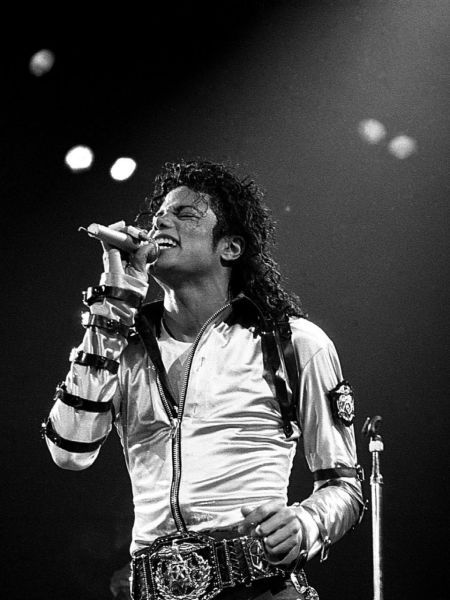 Micheal Jackson was in 0 million debt at the time of his death.
How did Michael Jackson estate bounce back?
Michael Jackson’s estate put his unparalleled legacy to the best use and eventually made him one of the highest earning dead celebrities ever. Since the much-anticipated This Is It tour could never really take over, the estate put together the rehearsal footage for Jackson’s new tour and released Michael Jackson’s This Is It, a 2009 documentary.
The posthumous love and fandom for Jackson led to the documentary earning over $265 million at the global box office, aided by another $100 million+ gathered through the sale of DVDs, soundtrack, and merchandise sale. The estate went on to earn $200 million from the documentary, thus paying off a significant chunk of the debt.
Up next, Jackson’s ATV catalogue, consisting of over 4,000 songs, was sold to Sony Music for $750 million. Sony also acquired half of Jackson’s own music rights for $600 million in 2024. Jackson’s legacy was further encashed through new albums with unreleased music, touring shows, stage productions including Cirque du Soleil, and now, a Hollywood biopic.
Story continues below this ad
Although Jackson rented out a lot of properties across the globe, including a luxurious apartment in Trump Towers, his beloved Neverland ranch on the outskirts of Los Angeles, California was paid to his friend and billionaire Ron Burkle in 2020 for $22 million. All the above earnings were used to pay off the debt, legal expenses, and taxes. After all the settlement, the current net worth of Michael Jackson estate stands at a whopping $3.5 billion, making this the most profitable career phase of Jackson, over 15 years after his death.
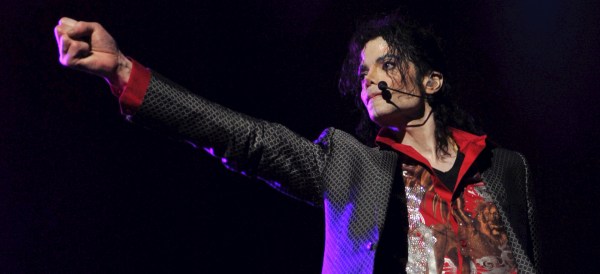 A still from Michael Jackson’s This Is It.
Michael: Make or break?
Taking a cue from how Michael Jackson’s This Is It changed the course for them, the estate then invested in Michael, a Hollywood biopic, in which Michael’s nephew Jafar Jackson essays the King of Pop. The estate carefully considered its bets, renegotiating its terms with Sony over Jackson’s music catalogue in order to benefit from the spike in his music post Michael’s release. And they weren’t entirely wrong to presume that, since seven of Michael Jackson’s tracks, from “Billy Jean” to even “They Don’t Care About Us” (which isn’t even in the film), have started dominating music charts just three days after the biopic’s global release.
They also roped in Billy Graham, who previously backed another musician’s biopic, Bryan Singer’s Bohemian Rhapsody (2018), which fetched Rami Malek an Oscar for his portrayal of Queens lead singer Freddie Mercury. That film earned over $940 million globally, also leading to a spike in Queen’s music across charts. Mercury’s estate and the surviving Queen members, who had a profit sharing in the film’s business, saw their revenue increase from $24 million in 2017 to $94 million in 2019, followed by a dividend of over $85 million over the next four years. The soaring popularity also enabled Queen to sell their catalogue in 2024 to Sony Music for more than $1.2 billion.
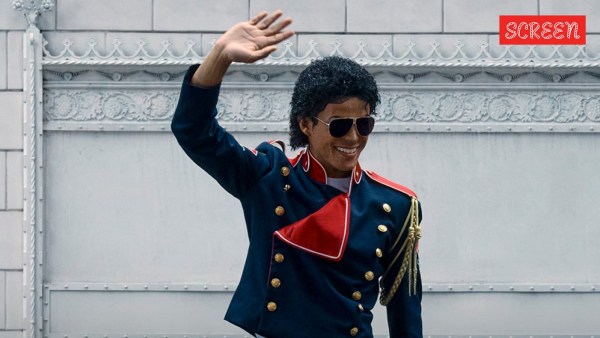 Jafar Jackson as Michael Jackson in Michael.
Now, Michael has opened at $217 million worldwide, including $97 million in North America and Canada alone. This is $45 million more than the opening weekend of Bohemian Rhapsody ($52 million) at the domestic box office. However, unlike the latter which was made on a budget of $55 million, Michael’s reported budget is as high as $200 million.
Story continues below this ad
It was already one of the most expensive biopics to be made in Hollywood, on a budget of $150 million. But its budget was escalated to $200 million, thanks to a major lapse on part of the Michael Jackson estate. The initial third act of the biopic touched upon the child sexual abuse allegations the popstar faced in the early 1990s, but the estate discovered in the eleventh hour that a settlement with the accuser bars any mention of the same in film and television projects.
Thus, the estate had to chip in $25 million to $50 million to reshoot the third act of Michael completely. The estate has already earned $10 million upfront for co-producing and licensing the music. Additionally, they have an estimated 25% stake in the profit sharing. Given the current box office trajectory of the biopic, they could earn as much as $40 million more from the global sales.
This Isn’t It: Sequel in the making
While the Michael Jackson estate could just break even with Michael, given their maximum $50 million investment for reshoots, they’re likely to earn in multiples of that in the coming years. The success of Michael has reintroduced the King of Pop to an entire new generation, which will aid further sales through royalties, stage performances, merchandise sale, and a franchise in the making.
Story continues below this ad
Though not officially announced, a sequel to Michael is in the making. Since the film ends in 1998, the sequel will focus on the remainder of his life. Given the clause in the settlement clause with the accuser, there’ll still be no mention of the child sexual abuse against him in the follow-up. That clean image of Michael Jackson is likely to boost and further his legacy. So much so that Lionsgate chairman Adam Fogelson, has told The Associated Press that a third instalment in the Michael franchise is “not inconceivable”.
DISCLAIMER: This article provides an editorial overview of Michael Jackson’s financial legacy and the commercial performance of related film projects. It is intended for informational and entertainment purposes only and does not constitute financial advice, investment recommendations, or a definitive legal account of estate settlements.
